IANS | 16 Nov, 2026
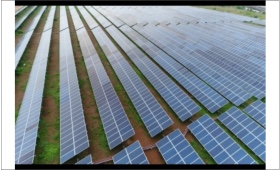
Projects supported under the Production Linked Incentive (PLI) scheme have contributed around 24 GW to India's solar module manufacturing capacity, which has expanded nearly 15-fold from about 8 GW to nearly 116 GW, according to a report by NITI Aayog.
The report said around 20.7 per cent of India's current solar photovoltaic (PV) module manufacturing capacity is directly attributable to PLI-supported projects.
It also highlighted that the High Efficiency Solar PV Modules PLI scheme has an outlay of Rs 24,000 crore and aims to promote large-scale domestic production, encourage advanced technologies and reduce dependence on imports.
Cumulative investment under the scheme reached Rs 64,873 crore by March this year.
The expansion in capacity has coincided with a decline in imports and a rise in exports. Solar PV module imports fell from around $4.35 billion in 2023-24 to $2.15 billion in 2024-25.
Exports rose from $83 million in 2021-22 to $1.97 billion in 2023-24 before moderating to around $1.12 billion in 2024-25.
The scheme has also encouraged manufacturers to increase domestic sourcing by linking incentives to local value addition to develop a more integrated solar manufacturing ecosystem.
"Overall, the Solar PV PLI Scheme demonstrates strong early outcomes in investment mobilisation, manufacturing capacity creation, import substitution and export expansion," the report said.
However, it flagged pressure from falling global module prices, partly due to excess manufacturing capacity and aggressive pricing by Chinese producers.
The scheme's long-term effectiveness would depend on manufacturers achieving higher domestic value addition, remaining globally cost-competitive, developing capabilities across the wider value chain and sustaining export growth amid changing global market conditions, according to the report.
Additionally, the PLI framework has emerged as one of the country's most significant industrial policy interventions, with approved applications standing at 791 across 14 sectors, cumulative investment exceeding Rs 2.58 lakh crore and cumulative production/sales crossing Rs 23.79 lakh crore by June 30, according to the government.