Staff Reporter | 12 Nov, 2026
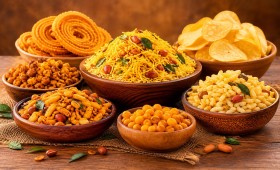
In a recent interaction with SME Times, Narayan Salvi from N.S. Namkeen Labour Contractor shared insights into the diversity of Indian namkeen and its growing appeal across the country. Associated with a selection of more than 300 varieties of savoury snacks, the company offers traditional favourites such as Bikaneri Moth Bhujia, Indore Khatta Meetha Mixture, Special Ratlami Sev, Delhi Mix, Navratan Mix, Singh Bhujiya, Peanuts, Special Long Sev, Bombay Mix and Mungdaal. With an emphasis on authentic flavours, real ingredients and traditional recipes, the company aims to make regional snack varieties accessible to customers through pan India delivery. Its diverse range reflects the rich culinary traditions and changing preferences of Indian snack consumers.
1. What makes Indian namkeen an important part of the country's food culture?
Indian namkeen has a special place in everyday food habits because it combines regional culinary traditions, familiar ingredients and a wide variety of flavours. It is commonly enjoyed with morning or evening tea, during travel, at family gatherings, festive celebrations and as a snack between meals. Its popularity comes from the variety of textures and tastes available, ranging from spicy sev and crunchy lentils to tangy mixtures and peanut-based snacks. Each region has contributed its own recipes and preparation styles, making namkeen an important part of India's culinary identity. N.S. Namkeen Labour Contractor's diverse selection reflects this variety and gives customers opportunities to explore traditional savoury snacks from different parts of the country.
2. How has the diversity of regional namkeen contributed to the growth of the Indian snack market?
Regional diversity has played an important role in keeping the Indian namkeen market interesting and relevant across generations. Different parts of the country have developed distinctive snack varieties based on local ingredients, seasoning preferences and preparation techniques. Rajasthan is known for spicy bhujia and sev, while Madhya Pradesh has popular varieties such as Ratlami Sev and Indore-style mixtures. Delhi and Mumbai also have their own familiar snack combinations. As consumers become more interested in exploring regional flavours, these traditional varieties are finding wider audiences beyond their places of origin. This diversity allows the category to serve different taste preferences while preserving the culinary traditions associated with regional Indian snacks.
3. What ingredients and preparation methods contribute to the taste and texture of traditional namkeen?
The taste and texture of traditional namkeen depend on the selection of ingredients, their proportions and the preparation methods used. Common ingredients include gram flour, lentils, pulses, peanuts, rice flakes, edible oils and traditional spices. Depending on the recipe, these ingredients may be processed, shaped, fried, roasted, mixed or seasoned to create different snack varieties. Spices such as chilli powder, turmeric, black pepper, cumin and asafoetida help establish the distinctive flavour of individual preparations. Achieving the desired crunch and consistency also requires attention to processing conditions and seasoning. The combination of these elements gives each namkeen variety its own character and makes traditional recipes distinct.
4. Why does quality play such an important role in the namkeen industry?
Quality is essential in the namkeen industry because consumers expect snacks to offer consistent taste, texture and freshness. Ingredient selection, hygienic handling, suitable processing methods and appropriate packaging all contribute to the overall product experience. Manufacturers and suppliers need to pay attention to food safety practices and maintain consistency across batches so that customers receive products that meet their expectations. Packaging is equally important because it helps protect snacks from moisture, contamination and external conditions during storage and transportation. As consumer awareness increases, people are also paying greater attention to ingredients, allergen information, nutritional details and packaging dates. These considerations make quality and transparency important aspects of the savoury snack market.
5. What makes traditional namkeen recipes different from modern snack offerings?
Traditional namkeen recipes are closely connected with regional food and preparation methods that have been passed down through generations. Their distinctiveness comes from familiar ingredients, carefully balanced seasoning and combinations of textures that reflect local preferences. Varieties such as Bikaneri Moth Bhujia and Ratlami Sev are recognized for their characteristic flavour profiles, while mixtures bring together different ingredients to create varied eating experiences. Modern snack preferences may continue to evolve, but traditional namkeen retains its appeal because of its familiar taste and cultural associations. N.S. Namkeen Labour Contractor's selection of regional varieties reflects the continued interest in these established flavours and the importance of making them accessible to a wider customer base.
6. How does N.S. Namkeen Labour Contractor cater to customers with different snack preferences?
N.S. Namkeen Labour Contractor is associated with a selection of more than 300 namkeen varieties, offering customers a broad choice of regional snacks and flavour combinations. Its range includes Bikaneri Moth Bhujia, Indore Khatta Meetha Mixture, Special Ratlami Sev, Mast Kirn, Delhi Mix, Navratan Mix, Singh Bhujiya, Peanuts, Special Long Sev, Bombay Mix and Mungdaal. These varieties cater to different preferences, including spicy, tangy, mildly flavoured and crunchy snacks. Customers can choose products according to their individual tastes and occasions, whether they are looking for an accompaniment to tea, snacks for family gatherings or familiar regional specialities. The diversity of the range helps introduce consumers to different aspects of India's savoury snack culture.
7. Which namkeen varieties are suitable for different occasions and taste preferences?
Different namkeen varieties can suit different occasions depending on their flavour, texture and the preferences of consumers. For tea-time, options such as Special Long Sev, Bombay Mix and Mungdaal offer convenient savoury choices. Those who enjoy stronger spicy flavours may prefer Ratlami Sev and Bikaneri Moth Bhujia. Indore Khatta Meetha Mixture and Navratan Mix provide combinations of different ingredients and flavours, while Peanuts, Singh Bhujiya and Delhi Mix offer additional crunchy options. For family gatherings and celebrations, serving a selection of varieties can accommodate different preferences. Consumers should also review ingredient information, allergen declarations and packaging details when choosing snacks for themselves or others.
8. How does pan India delivery help customers discover regional namkeen varieties?
Pan India delivery makes it easier for consumers to explore regional snack varieties without having to travel to the locations traditionally associated with them. In the past, certain namkeen specialities were more readily available in local markets and specific cities. Wider distribution has created opportunities for customers in different states to discover flavours from other regions. For a diverse product selection such as the one associated with N.S. Namkeen Labour Contractor, broader accessibility helps connect customers with familiar favourites as well as varieties they may not have tried before. Appropriate packaging and storage are important during transportation because they help protect product quality and maintain the expected snack experience when products reach customers.
9. How is changing consumer awareness influencing the namkeen industry?
Consumer awareness is influencing the namkeen industry by encouraging greater attention to ingredients, food safety, packaging and product information. While taste and variety remain important purchasing considerations, consumers are increasingly interested in understanding what goes into the snacks they buy. Information such as ingredient details, allergen declarations, nutritional values and packaging dates can help customers make more informed choices. This also highlights the importance of appropriate handling, processing and packaging practices across the supply chain. At the same time, interest in regional recipes and traditional flavours continues to create opportunities for diverse snack selections. The industry must balance the appeal of familiar recipes with the expectations of consumers who increasingly value product information and consistency.
10. What is the future outlook for traditional Indian namkeen and regional savoury snacks?
The future of traditional Indian namkeen remains closely connected to its ability to preserve regional flavours while reaching consumers in new markets. The wide variety of ingredients, preparation techniques and seasoning styles gives the category considerable diversity. As consumers continue exploring regional food traditions, snacks such as Ratlami Sev, Bikaneri Moth Bhujia, Indore Khatta Meetha Mixture and other traditional varieties can find audiences beyond their local markets. Wider distribution and suitable packaging can further support accessibility across India. With its selection of more than 300 varieties and focus on traditional recipes, N.S. Namkeen Labour Contractor aims to bring different regional snack experiences to customers nationwide while celebrating the diversity of Indian savoury food culture.