|

|
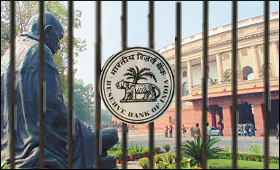
Time to return to a growth agenda
|
|
|
|
| Top Stories |
 |
|
|
|
Bikky Khosla | 13 Mar, 2012
Industrial output registered 6.8 percent growth in January -- at a much higher rate than the expected rate of 2.1 percent for the month, and the 1.8 percent in the previous month, and pleasingly it was catapulted by a robust performance by the manufacturing sector, but still I don't think these figures will bring much cheer for the industry. Monday's data shows that our capital goods production has continued to slip, contracting 1.5 percent in January, after a whopping 16.5 percent contraction in the previous month. This is a cause of concern.
The constant decline in capital goods production implies fall in investment by corporates, and also the effects of the RBI's rate tightening cycle. The series of rate hikes subsequently resulted in high costs of credit and loss of investors' confidence, taking a toll on the economy, as reflected the October-December GDP growth figures -- a dismal rate of 6.1 percent.
Last week, the RBI cut the cash reserve ratio (CRR) -- a move that would release around 480 billion of primary liquidity into the banking system. Beyond doubt, this is a good piece of news, but amid mounting cash deficit (at Rs. 1.92 trillion in early March), I think the apex bank didn't have much choice but to take such a step hurriedly and prevent further worsening of the situation by the month end to be resulted from huge cash outflow in the form of advance tax payments by companies.
But as far as credit availability and interest rates are concerned, I don't think there would be some immediate effects of this recent liquidity-easing measure. It is likely that banks will not rush to cut lending and deposits rates due to year-end considerations. Of course, they may gradually move to cutting rates, but it is most likely that most of them will prefer to wait for the Budget, and the RBI's Mid-Quarter Review slated for March 15 before taking a call.
It is not an easy task to comment on what the central bank should or shouldn't do, or analysis of its monetary policy, which matters so much to the nation's economy, but given that inflation has slowed down in the recent months, I think, as a layman, the time has come now to focus on restoring growth and business confidence. Low inflation and high growth both are essential to improve economic welfare, and it should now be the turn of the latter to be taken care of. To ensure this, the economy needs more monetary easing as well as a Budget that supports growth.
|
|
|
| |
|
|
|
|
|
|
|
|
|
|
|
|
|
|
| |
| Customs Exchange Rates |
| Currency |
Import |
Export |
US Dollar
|
₹96.5
|
₹94.8 |
UK Pound
|
₹132.25
|
₹128.15 |
Euro
|
₹113.6
|
₹109.8 |
| Japanese
Yen |
₹61.3 |
₹59.45 |
| As on 03 Sep, 2026 |
|
|
| Daily Poll |
 |
 |
| What’s your biggest challenge with the 45-day payment rule? |
|
|
|
|
|
| Commented Stories |
|
|
|
|
|
|
| |
|