IANS | 23 Mar, 2026
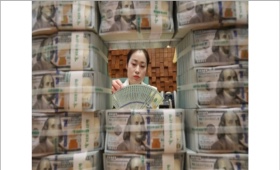
Foreign currency deposits in South Korea fell for the second straight month in February, due to a decline in both individual and corporate deposits, central bank data showed on Monday.
Outstanding foreign currency-denominated deposits held by residents stood at US$117.53 billion at the end of February, down $490 million from a month earlier, according to the data from the Bank of Korea (BOK), reports Yonhap news agency.
In January, foreign currency deposits fell for the first time since the first on-month decline in October, following gains in November and December that had lifted the figure to a record high amid a weakened won and heightened foreign exchange market volatility.
Residents include South Korean citizens, foreigners who have lived in the country for more than six months and foreign companies. The data excludes interbank deposits.
Corporate foreign currency deposits fell $450 million in February from a month earlier to $100.23 billion, and individual holdings declined $40 million to $17.31 billion.
By currency, U.S. dollar-denominated deposits decreased $340 million to $96 billion, and Japanese yen deposits declined $210 million to $9.3 billion.
In contrast, euro-denominated deposits rose $200 million to $9.59 billion, while Chinese yuan deposits slipped $150 million to $1.23 billion, the data showed.
Meanwhile, Budget Minister nominee Park Hong-keun said on Monday a proposed supplementary budget bill should include measures to stabilise energy supplies, including oil reserves, amid the ongoing crisis in the Middle East.
"Although a fuel price cap is currently in place, a supplementary budget is inevitable given the uncertainties, as it is difficult to predict how long the Middle East situation will continue," Park said during a parliamentary confirmation hearing.
Amid rising global oil prices, the government adopted a price cap system on products oil refineries supply to gas stations, to help ease cost burdens related to soaring fuel prices in light of supply concerns due to the conflict.
The minister said the extra budget should include efforts to secure key items for future supply chain stability and diversify supply routes, including the stockpiling of oil.