|
|
|

|
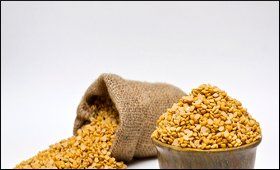
Tur dal prices to go up as production constraints pull down supplies
|
|
|
|
| Top Stories |
 |
|
|
|
IANS | 19 Feb, 2023
The Tur daal (lentil or toor) market is extremely tight due to
insufficient supply; imported daal will arrive soon but will have little
impact on the market. Because of this, retail prices per kilogram are
moving upward and are quoted in the range of Rs 130 to Rs 140.
Whether
the farmers are getting a good price or not, it is difficult to say,
but due to the short supply of tur daal in the mandis, be it in Latur,
Solapur in Maharashtra, Karnataka, or Andhra Pradesh, prices are above
the minimum support price, said Nitinbhai Vani, production manager at
Rentiofood.
According to his experience, if a miller wants to buy
12 trucks of tur, he can only buy one truck, giving a clear idea of the
demand-supply gap. On Friday evening, the closing price of tur in
mandis was quoted at Rs 8100 per quintal.
He says that this time,
one shouldn't be shocked if the price reaches or exceeds Rs 9000 per
quintal. The Union government has set the MSP at Rs 6600 per quintal.
The
reason for the shortage is that farmers are gradually shifting away
from the cultivation of pulses in favour of high-value cash crops. The
second reason, according to Vani, is that standing crops were ruined by
unseasonal rains that occurred in Maharashtra and Karnataka in October
and November.
The central government is well aware that
production of tur daal is expected to be around 38.9 lakh metric tons
this time, down from 43.4 lakh metric tons last year. That is why the
Union Consumer Affairs Secretary Rohit Kumar Singh announced in January
that to meet the domestic shortfall, the government will be importing 10
lakh metric tons of lentils.
Even after this assurance, the prices are constantly moving upwards.
Tur
daal production will remain 9.8% lower than last year, according to
early projections from the Union Agriculture Ministry. The crop is badly
damaged in Maharashtra, Karnataka, Telangana and Madhya Pradesh.
Imports
from Sudan and Burma will begin soon, but they will have little impact
on the domestic supply and prices because the quantity is in the
thousands rather than lakhs of tons, according to Vrushil Patel,
Director of Lakshmi Protin Products Pvt. Ltd.
As of today, the
wholesale market for tur is on fire, and so the customers will have to
pay more for tur dal this season, somewhere between Rs 130 and Rs 140
per kilogram, he added.
According to Patel's ground information,
this time the production of tur is comparatively low in Saurashtra,
which is adding fuel to prices in the Gujarat market.
Recently,
the Central government extended its zero tariff facility to imports of
lentils from Australia, which will be applicable until March 2024. But
the benefit of this facility will be felt only in July, when the imports
start.
The government estimates 38 lakh metric tons of tur
production, but the market is skeptical, and it is concerned that
production will be 35 lakh metric tons this time, which is why some
major players have cornered the tur stock and will exploit the market
when prices reach their new peak, according to sources.
|
|
|
| |
|
|
|
|
|
|
|
|
|
|
|
|
|
|
| |
| Customs Exchange Rates |
| Currency |
Import |
Export |
US Dollar
|
₹84.00
|
₹82.25 |
UK Pound
|
₹104.65
|
₹108.10 |
Euro
|
₹92.50
|
₹89.35 |
| Japanese
Yen |
₹56.10 |
₹54.40 |
| As on 25 Jul, 2025 |
|
|
| Daily Poll |
 |
 |
| Who do you think will benefit more from the India - UK FTA in the long run?
|
|
|
|
|
|
| Commented Stories |
|
|
|
|
|
|
| |
|