The ongoing conflict in West Asia, in my opinion, is poised to significantly affect Indian SMEs, particularly through rising shipping costs and disruptions in crucial sea trade routes. While India has been trying hard to brokerage peace in the region there is no two ways of saying this that if the conflict intensifies, which seems likely, small businesses will be hit harder than the big corporates.
The current geopolitical tensions are a serious threat to Indian SMEs and the economy at large. If these conflicts continue, it will be increasingly difficult for small businesses to thrive, and the overall economic burden on the average Indian will only grow.
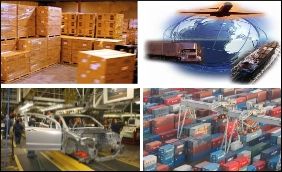
What worries me the most is the potential disruption of key shipping routes. If the conflict intensifies, shipments may be forced to take longer, more expensive routes, significantly impacting sectors like textiles, auto parts, and chemicals, which rely heavily on Middle Eastern trade.
These delays and rising shipping costs could cripple SMEs, which already operate on tight margins. It is hard to see how many of these businesses will absorb the additional operational expenses without losing their competitiveness, both domestically and internationally.
Moreover, I think rising oil prices will have a profound impact on the broader Indian economy, contributing to inflation by increasing transportation and manufacturing costs across several sectors. Oil is a key input in industries like agriculture and manufacturing, and any sustained increase in its price will inevitably raise the cost of goods and services. We are already seeing the impact of this, as oil prices climb, driving up the cost of living for everyday Indians. Everything from food to essential products could become more expensive, directly affecting households across the country.
To mitigate these risks, India needs to prioritise alternative trade routes and diversify energy sources to reduce dependency on the Middle East. Targeted support, such as subsidies or financial aid for SMEs facing logistics challenges, could also help cushion the blow.