|
|
|

|
Bhopal like hazards growing in urban centres, warn activists
|
|
|
|
| Top Stories |
 |
|
|
|
SME Times News Bureau | 05 Dec, 2011
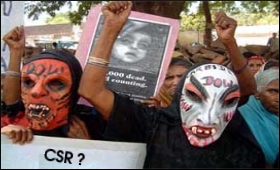
Indians have not learnt a lesson or two from the terrible, man-made Bhopal gas disaster 27 years ago, speakers at a seminar here asserted Saturday and noted that most urban centres were rapidly growing into sewage and garbage clusters.
"Most Indian cities were perched on explosive garbage dumps and sewage stocks, which could prove as hazardous as cluster bombs," read a resolution passed unanimously at the Bhopal Gas Tragedy Day symposium in this Taj city.
"Already the civic clusters were proving breeding grounds for all kinds of infections, but government agencies are apathetic and cold indifferent to the crisis building," it stated.
Speakers at the symposium urged government agencies to rigidly monitor and enforce industrial safety norms to ensure there was no loss of life or property.
Organised by Agra Paryavaran Sanrakshan Samiti and Braj Mandal Heritage Conservation Society, the seminar heard speakers say the general attitude towards maintaining safety norms was lax and negligent, and this mindset should change.
Paryavaran Sanrakshan Samiti president Geetam Singh said the training in safety and precautions must begin from schools.
"In most accidents, it is the innocents or the pedestrians who become victims of others' carelessness. The fire brigade, the police, pollution control board officials should regularly monitor industries," Sharma said.
"The way our industries function these days, one can only be grateful to god that Bhopal like tragedies are not repeated. We have to be doubly careful because our level of preparedness and disaster management appratus is tardy and faulty," said activist Lal Mohammed.
The activists want strict vigilance and punishment to those who fail to implement safety norms.
"Every few days we hear of industrial accidents, leakage from chemical factories or blasts. The need of the hour is to educate people," said an activist.
Shravan Kumar Singh, social activist, said the situation in the Taj city was truly alarming as sewage in different parts of the city was being directly pumped into the earth through borewells.
"Any day there could be an explosion, as methane and other noxious gases are being produced. The city is perched on explosives, as it were," Singh said.
Seminar participants wanted a proper mechanism of safety at all levels and spheres backed by awareness programmes.
|
|
|
| |
|
|
|
|
|
|
|
|
|
|
|
|
|
|
| |
| Customs Exchange Rates |
| Currency |
Import |
Export |
US Dollar
|
₹94.2
|
₹92.5 |
UK Pound
|
₹128.85
|
₹124.8 |
Euro
|
₹112.2
|
₹108.45 |
| Japanese
Yen |
₹59.85 |
₹58 |
| As on 06 May, 2026 |
|
|
| Daily Poll |
 |
 |
| What is the biggest war impact on MSMEs? |
|
|
|
|
|
| Commented Stories |
|
|
|
|
|
|
| |
|