Bikky Khosla | 09 Feb, 2021
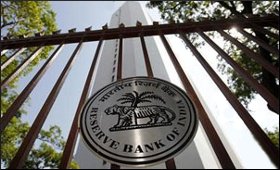
The RBI, as expected, last week kept its
key rates unchanged along with a growth-oriented accommodative stance. The repo
rate, or short-term lending rate, for commercial banks, was maintained at 4 percent.
On the growth front, the central bank chief said that the outlook has improved
significantly with positive impulses becoming more broad based. He also
expressed optimism over the ongoing vaccination drive and reviving consumer
confidence.
The RBI move is not at all surprising,
considering the fiscal situation of the economy. Our fiscal deficit for the
April-December 2020-21 period stood at Rs 11.58 lakh crore, or 145.5 per cent
of the budget estimates, and although during the current situation fiscal
deficit is something that one cannot escape, it would be unwise to loosen
the budget purse strings too much. The Finance Minister has recently said that the
Centre is taking steps to carefully monitor the fiscal deficit situation.
Meanwhile, India's exports
rose over 5.37 per cent on a year-on-year basis, to $27.24 billion in January from
$25.85 billion in January 2020. The
value of non-petroleum exports rose by 11.37 per cent over January 2020 to
$25.24 billion. Additionally, it is encouraging to see that almost all major export
category products showed impressive growth. It is also noteworthy
that the traditional and labour-intensive
sectors of exports did well in the month, signalling to better days ahead for
MSME exports.
During the ongoing pandemic situation, most of our
small and medium scale exporters are witnessing cash flow issues, along with
lack of adequate funds. In this situation, it is of utmost importance that the
government focus on lessening the burden of the sector by taking some long
pending decision like notifying of the RoDTEP rates, release
of required funds for RoDTEP, clarification on SEIS benefits, allocation of funds for NIRVIK scheme,
etc. Such moves will definitely help the sector in this difficult time.
I
invite your opinions.