Bikky Khosla | 01 Apr, 2019
Retail inflation rose at a faster pace than anticipated in February. It picked
up to 2.57 percent, after easing to 1.97 percent in January. This increase in
retail prices is mainly due to higher costs of housing, health, education services and
fuel. Wholesale inflation also showed a similar trend in the month, rising to
2.93 percent from 2.76 percent in January, due to rise in prices of fuel, electricity
and some household items. Both readings are still within the
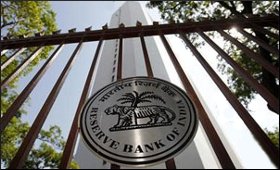
RBI's comfort zone, however.
Now, let's look at the January IIP data. Industrial output growth slipped to
a two-month low of 1.7 percent in the month, compared to 2.6 percent in
December, 2018. This fall was mainly due to slowdown in the manufacturing sector, which accounts for almost three-fourths of IIP, and grew at a
mere 1.3 percent in January, down from 3 percent in the previous month. The
capital goods segment contracted by 3.2 percent, after growing by 4.9 percent
the month before. These figures are, no doubt, worth raising concern.
Considering the above scenario, it is widely expected
that RBI will cut its key lending rate by another 25 basis points in its bi-monthly monetary policy review scheduled on Thursday. Since inflation rate has
remained moderate while industrial production has
slowed down, most economy watchers view that the situation clearly offers an opportunity to the
central bank to cut rates to spur growth momentum in the economy. Additionally,
an accommodative
stance is expected also amid the fear of a global slowdown.
Meanwhile, economists point out that high unemployment is one of the reasons
behind India's low inflation. A recent report adds that unemployment is seen by
the Indian public as the biggest challenge. According to it, 76 percent
of adults view that unemployment has hardly changed over the past year. The findings show that in 2018, 18.6 million Indians were jobless and
another 393.7 million worked in poor-quality jobs vulnerable to displacement.
Needless to say, this massive challenge needs urgent attention.
I invite your opinions.