|

|
Govt defers implementing GAAR for a year
|
|
|
|
| Top Stories |
 |
|
|
|
SME Times News Bureau | 08 May, 2012
India Monday deferred implementation of the controversial General Anti-Avoidance Rules (GAAR) by a year and announced that the burden of proving tax evasion will lie with the authorities, a move that is expected to reassure overseas investors and the industry.
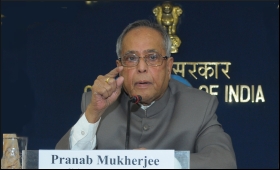
Moving the Finance Bill for 2012-13, Finance Minister Pranab Mukherjee told parliament that the government is going to add an independent member to the GAAR panel.
"To provide more time to both tax payers and the tax administration to address all related issues, I propose to defer the applicability of the GAAR provisions by one year," Mukherjee said.
"The GAAR provision will now apply to income of financial year 2013-14 and subsequently," he said.
Many foreign and domestic investors had voiced concern over the GAAR, which was aimed at curbing tax avoidance and was to come into effect from April 1, as it would have overridden treaty benefits and placed the onus of proof of there being no tax avoidance entirely on the taxpayer.
Mukherjee said the proposed retrospective amendment in the Income Tax Act would not override the provisions of the Double Taxation Avoidance Agreement (DTAA) which India has with 82 countries.
"It would impact those cases where the transaction has been routed through low tax or no tax countries with whom India does not have a DTAA," he said.
Without giving any indication of relief to British telecom company Vodafone, Mukherjee reiterated that retrospective clarificatory amendments would not be used to reopen any cases where assessment orders had already been finalised.
Providing more clarity, the finance minister said taxpayers, both residents and non-residents, will be able to avail the facility of advance rulings. This means the taxpayers can approach the advance ruling authority and check whether their proposed arrangements (corporate structures) will be permissible under the GAAR provisions or not. If it fails the GAAR provisions, then there is a risk of such transactions getting taxed in India.
Mukherjee also announced the constitution of a committee under the Director General of International Taxation to suggest safeguards so that the provisions are not applied indiscriminately.
Mukherjee said the committee has already held several rounds of discussion with various stakeholders including the Foreign Institutional Investors and it will submit its report by the end of this month.
The finance minister also said that tax for NRI investors will be slashed to 10 per cent from 20 per cent.
In other measures, Mukherjee also announced roll back of the proposed 1 percent tax deduction at source (TDS) on transfer of immovable property.
He also announced the withdrawal of 1 percent central excise duty on branded and unbranded jewellery with effect from March 17 and proposed to raise the threshold limit for tax collection at source (TCS) on cash purchase of jewellery to Rs.5 lakh from the present Rs.2 lakh.
The announcements brought cheers to the equities markets.
|
|
|
| |
|
|
|
|
|
|
|
|
|
|
|
|
|
|
| |
| Customs Exchange Rates |
| Currency |
Import |
Export |
US Dollar
|
₹94.2
|
₹92.5 |
UK Pound
|
₹128.85
|
₹124.8 |
Euro
|
₹112.2
|
₹108.45 |
| Japanese
Yen |
₹59.85 |
₹58 |
| As on 06 May, 2026 |
|
|
| Daily Poll |
 |
 |
| What is the biggest war impact on MSMEs? |
|
|
|
|
|
| Commented Stories |
|
|
|
|
|
|
| |
|