|
|
|
|
Share of SSI in India's exports take a beating
|
|
|
|
| Top Stories |
 |
|
|
|
SME Times News Bureau | 19 Jun, 2009
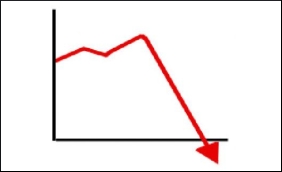
The share of the small-scale industry in India's exports has declined since 2003-04, according to a study conducted by the Institute of Small Enterprises and Development.
The study emphasises the need for special relief package for SSI exporters.
It is estimated that SSI sector contributes nearly half of India's exports. Out of this, nearly 35 percent are direct exports, and the balance, indirect exports.
The indirect exports take place through merchant exporters, trading houses and export houses. Sometimes these are also in the form of export orders from large units where the small scale units play the role of the supporting manufacturer or the supplier of parts, components and sub assemblies for use in exportable finished goods.
The share of direct export has increased since 1991. However, the share has not shown much change in recent years.
Since 1991, the share of SSI in total exports has been hovering around 34 percent, but it has declined since 2003-04.
A sector-wise analysis shows that some SSI sub-sectors are categorised as export concentrated because of their buoyant export performance over the years.
The list includes engineering goods, basic chemicals, pharmaceuticals and cosmetics.
Over the last 12 years, the share of SSI exports showed a mixed picture.
The SSI sectors that have witnessed increase in export share include engineering goods, chemicals and allied products, woollen garments and knitwear.
Sectors like basic chemicals and pharmaceuticals, finished leather and leather products and rayon products witnessed a declining share in total exports.
The report, quoting the Ministry of Commerce and Industry, states that the export of labour intensive items like marine products, handicrafts, textiles and certain leather products continued to decline because of loss of competitiveness in the wake of the depreciation of dollar.
From the point of view of the current economic crisis, it is necessary to have a special relief package for exporters, the study says.
It is also advisable to introduce a group insurance coverage for unorganised workers in the affected industries.
Provision of cheaper credit and an extension of tenure of pre and post-shipment are also required, the study added.
|
|
|
| |
|
|
|
|
|
|
|
|
|
|
|
|
|
|
| |
| Customs Exchange Rates |
| Currency |
Import |
Export |
US Dollar
|
₹94.2
|
₹92.5 |
UK Pound
|
₹128.85
|
₹124.8 |
Euro
|
₹112.2
|
₹108.45 |
| Japanese
Yen |
₹59.85 |
₹58 |
| As on 06 May, 2026 |
|
|
| Daily Poll |
 |
 |
| What is the biggest war impact on MSMEs? |
|
|
|
|
|
| Commented Stories |
|
|
|
|
|
|
| |
|